Israel and Saudi Arabia Rapidly Drifting Apart
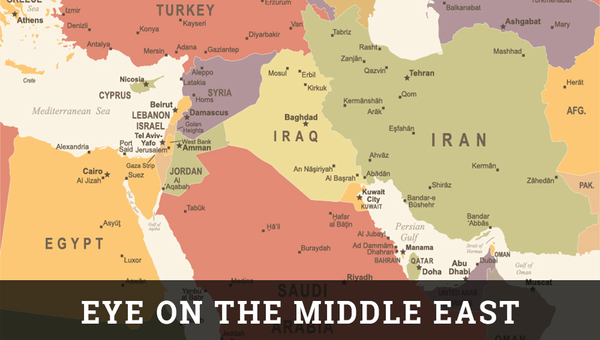
Expectations were once high that Saudi Arabia would become the next country to join the Abraham Accords, but recent shifts in Saudi foreign policy make normalization with Israel increasingly unlikely in the foreseeable future.
Israel and Saudi Arabia Rapidly Drifting Apart
Soeren Kern | Israel My Glory | May 1, 2026
Prospects are fading for a deal to normalize relations between Israel and Saudi Arabia. Over the past several years, expectations were high that Saudi Arabia would become the next country to join the Abraham Accords, a series of agreements that formalized diplomatic, economic, and security relations between Israel and several Arab countries. Recent shifts in Saudi foreign policy, however, make normalization with Israel increasingly unlikely in the foreseeable future.
The changes in Saudi foreign policy are mainly being driven by the kingdom’s increasing geopolitical rivalry with the United Arab Emirates (UAE). Formerly close partners, the two countries are now engaged in heated disputes over several issues, including economic competition, oil production quotas, and differences over foreign policy. The primary flashpoint between Saudi Arabia and the UAE is that they are backing opposing factions in the conflicts in Yemen, Somalia, and Sudan.
To get the upper hand vis-à-vis the UAE, Saudi Arabia has embraced an Islamist axis led by Turkey and Qatar, two countries that are engaged in a Cold War with Israel and are opposed to the UAE’s close relationship with the Jewish state. Saudi Crown Prince Mohammed bin Salman (MBS) recently signed a series of economic and defense agreements with Qatar and is considering deeper defense cooperation with Turkey. He also signed a “strategic mutual defense agreement” with Pakistan, the only Muslim country that possesses nuclear weapons. Analysts have described that pact as “an Islamic NATO in the making” and an “Islamic security alternative that bypasses Israeli- and American-led [defense] architectures.”