Home » Archives for Soeren Kern » Page 41
Spain’s debt-laden Socialist government is caught in a Catch-22 situation in which it has failed to satisfy conflicting demands to cut its budget and stimulate job creation and economic growth. If the government cuts public spending to the level needed to reduce the deficit, it will drag down economic growth and make it more difficult […]
Although neither candidate has spelled out exactly where the budget axe will fall, military spending will almost certainly take a hit in coming years, regardless of who leads the next government. In fact, all three candidates say the status quo on military spending is unsustainable, and all are calling for a post-election strategic defense review […]
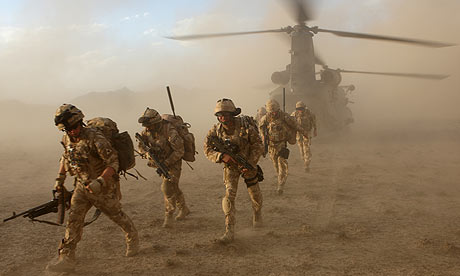
The future direction of European defense is at a crossroads. On the one hand, the NATO experience in Afghanistan has cast into stark relief the limits of European military capacities, not only at the operational but also at the political levels. On the other hand, the recently enacted Lisbon Treaty offers important new opportunities to […]
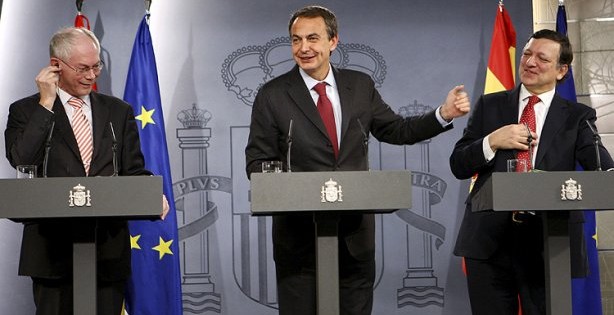
Spain holds the six-month rotating presidency of the 27-member European Union from January through June 2010. The following analysis explains the domestic political and economic context facing the Zapatero government during Spain’s EU presidency. It then examines in greater detail several of the Zapatero government’s stated priorities for Spain’s EU presidency, and then closes with […]
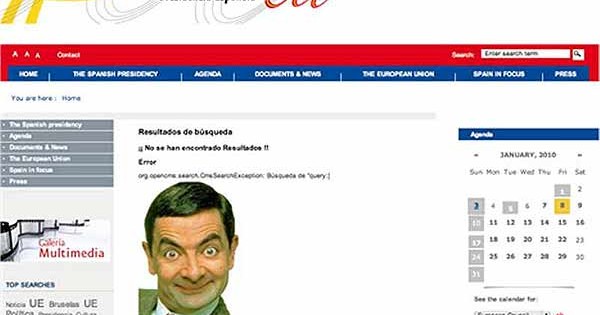
Spain’s six-month rotating presidency of the European Union, which began on Jan. 1, 2010, is off to a bumpy start. With the Lisbon Treaty now in effect, the traditional role of the EU rotating presidency has been downgraded.
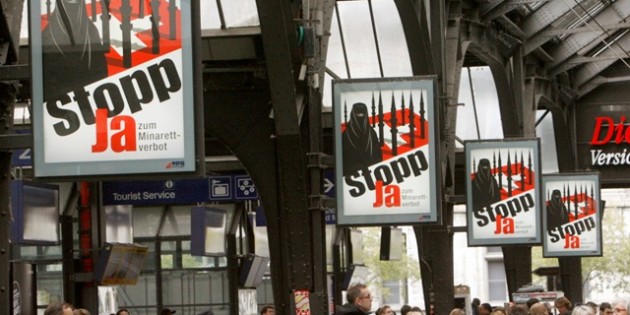
Swiss voters have overwhelmingly approved a referendum to ban the construction of minarets.
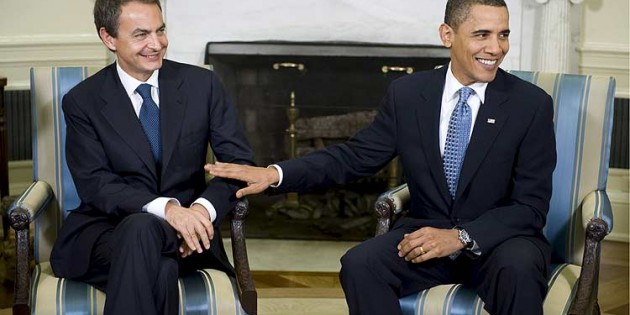
Spanish Prime Minister José Luis Rodríguez Zapatero’s second term in office has not been a happy affair for Spain. With his poll numbers now at an all-time low, Zapatero is hoping that his October 13 visit to the White House will reverse his foundering political fortunes.
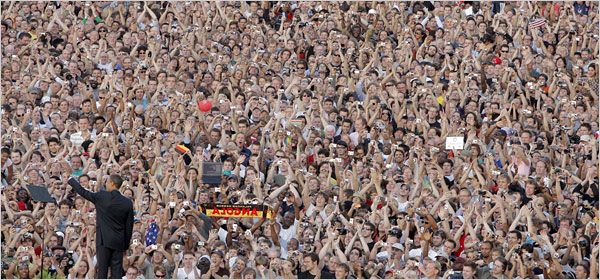
European newspapers have reacted to Barack Obama’s Nobel Peace Prize with a mixture of incredulity and scepticism. Almost without exception, newspapers across the continent (and political spectrum) are saying the award to Obama is premature and undeserved.
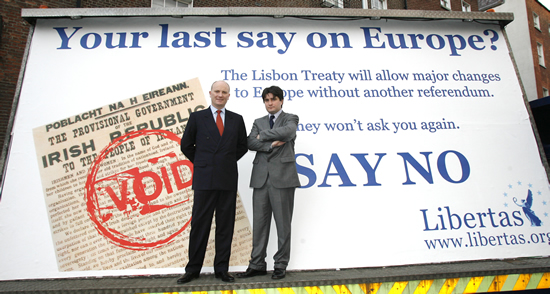
Irish voters have overwhelmingly approved the European Union’s controversial Lisbon Treaty, a document that will forever change the dynamics of European (and potentially global) politics. The “yes” vote comes less than 18 months after Irish voters gave the “wrong” answer by rejecting the treaty in a first referendum.
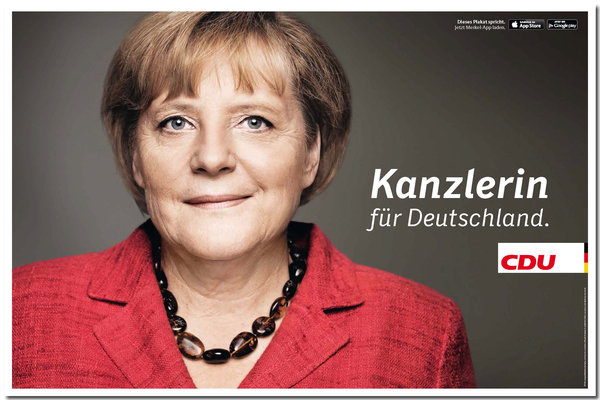
German Chancellor Angela Merkel cruised to victory in federal elections on Sunday with enough votes to form a new center-right government with her preferred partner, the pro-business Free Democrats (FDP). The results follow a trend in which Socialist parties across Europe have seen sharp declines in their popularity.
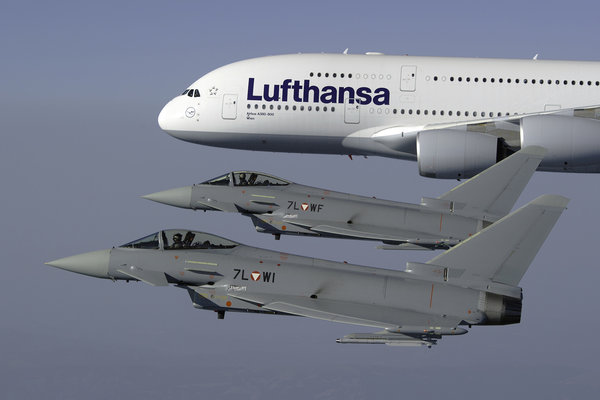
The four nations involved in the Eurofighter Typhoon military aircraft consortium signed a long-awaited contract to buy more of the controversial fighter jets. The breakthrough represents a much-needed financial boost for a program central to European defense cooperation.
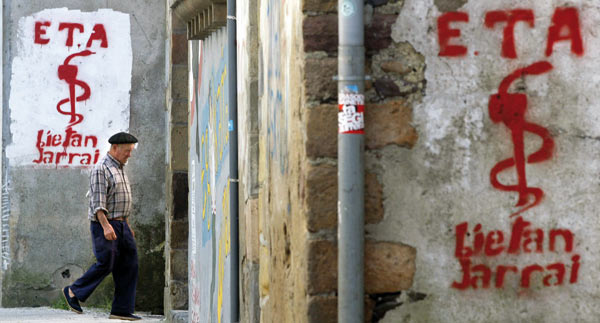
The Spanish government has accused the Basque terrorist group ETA of responsibility for back-to-back bombings last week that killed two people and injured more than 50 others. The bloody attacks came as ETA — short for Euskadi Ta Askatasuna, or Basque Fatherland and Freedom — marked the 50th anniversary of its founding.