Home » Geopolitics » Page 6
Geopolitics
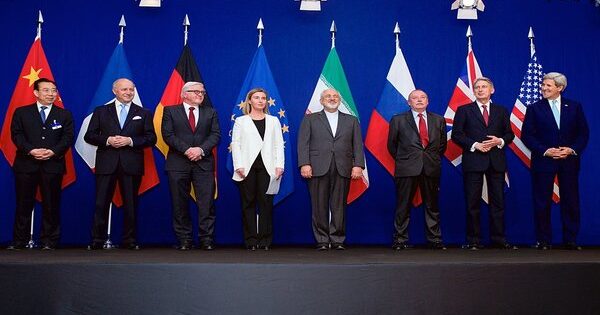
Britain, France and Germany, the three European signatories of the Iran nuclear deal, have activated the agreement’s dispute mechanism in an effort to force Tehran into compliance with its commitment to curb its nuclear program.
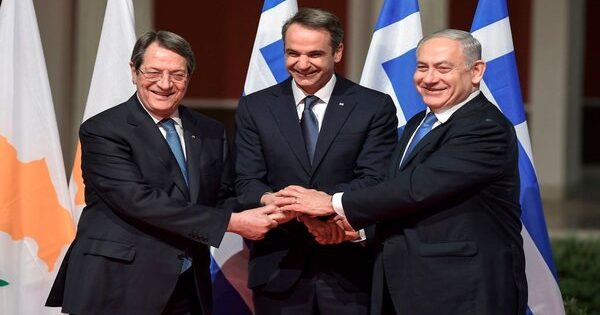
Israel, Greece and Cyprus have signed an agreement for a pipeline project to ship natural gas from the Eastern Mediterranean region to Europe. The deal comes amid increasing tensions with Turkey as Ankara seeks to expand its claims over gas-rich areas of the Mediterranean Sea.
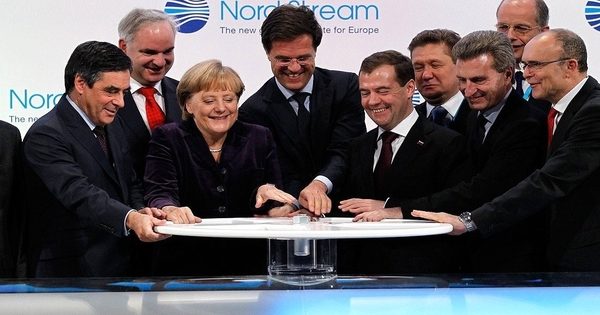
U.S. President Donald Trump has criticized German Chancellor Angela Merkel for her refusal to increase defense spending while at the same time supporting the Nord Stream 2 pipeline that will funnel billions of dollars to Russia.
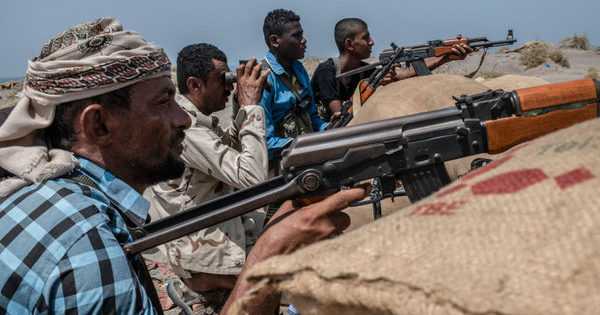
The ongoing war in Yemen has increased the Houthis dependence on weapons and financial support from Iran, whose position in Yemen is stronger than ever.
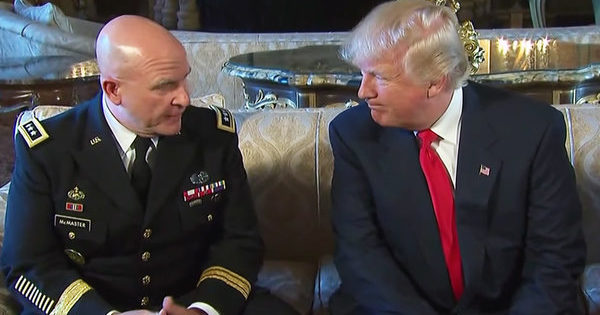
Key members of Trump administration hold widely divergent views on the threat posed by radical Islam — and on the nature of Islam itself.
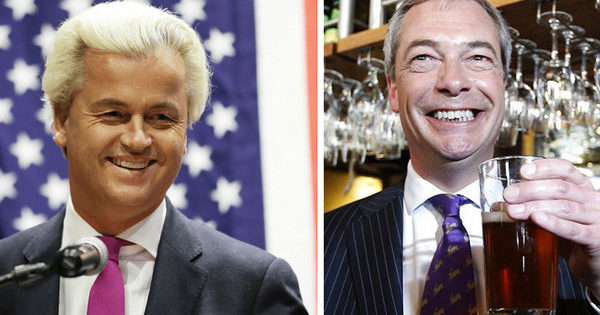
Donald Trump Boosts Europe’s Anti-Establishment Movement Donald Trump’s electoral victory has come as a shock to Europe’s political and media establishment.
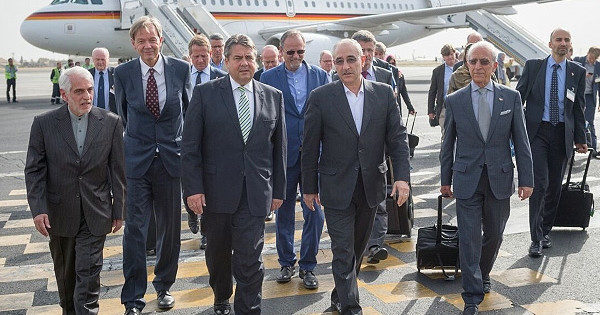
The flurry of European business activity in Iran implies that international sanctions are crumbling, and if Tehran violates its commitments under the nuclear deal, efforts to re-impose them are unlikely to succeed.
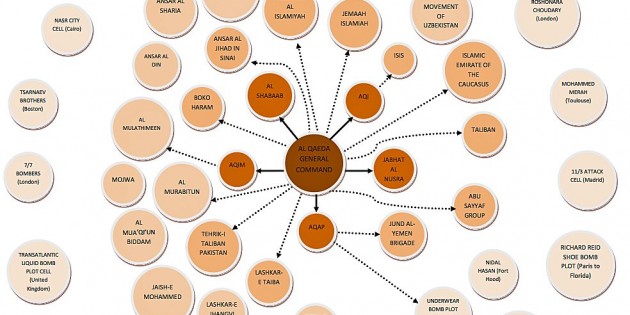
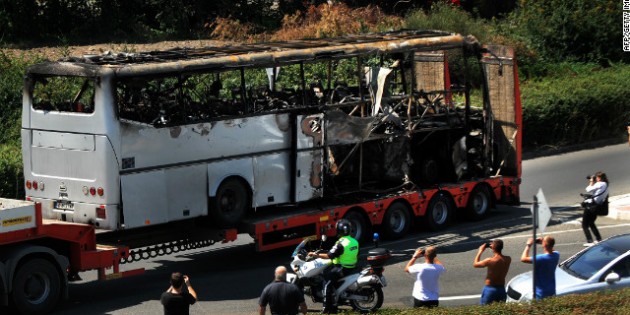
The threat to Europe and the United States from Islamic terrorism is serious and growing, and new attacks with unexpected targets and timings are increasingly likely, according to two new reports.
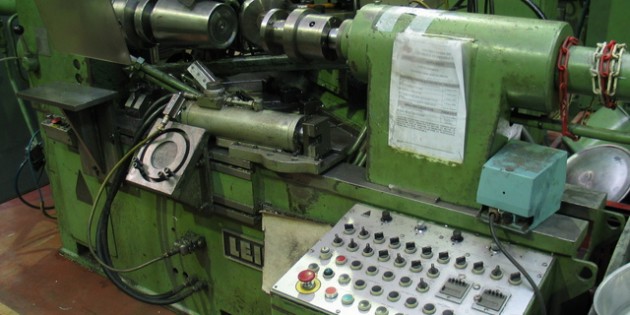
More than a dozen EU countries have supplied Iran with dual-use technologies in one form or another in recent years, and much of that trade was lawful and in compliance with export control regulations, research shows.
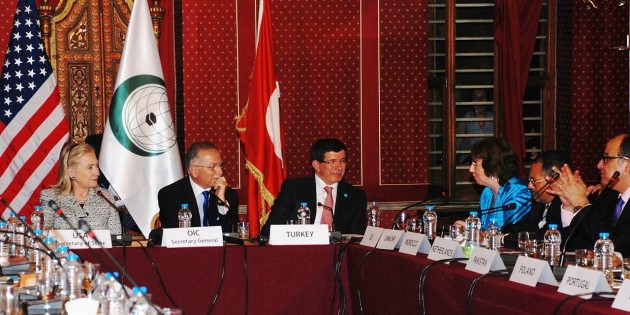
The primary objective of the OIC—headquartered in Saudi Arabia and funded by dozens of Muslim countries that systematically persecute Christians and Jews—has long been to pressure Western countries into passing laws that would ban “negative stereotyping of Islam.”
Several Western countries, including the United States, Canada, Australia and the Netherlands officially classified Hezbollah as a terrorist organization many years ago. But the European Union has steadfastly resisted calls to sanction Hezbollah.
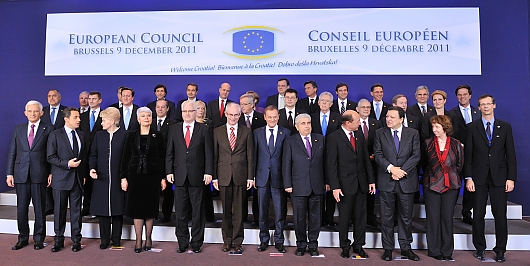
The leaders of the 27-member European Union met in Brussels on December 8 and 9 under pressure to deliver a decisive solution to Europe’s two-year-old sovereign debt crisis.