The Islamization of Germany in 2012
A chronological review of some of the main stories involving the rise of Islam in Germany during 2012.

A chronological review of some of the main stories involving the rise of Islam in Germany during 2012.
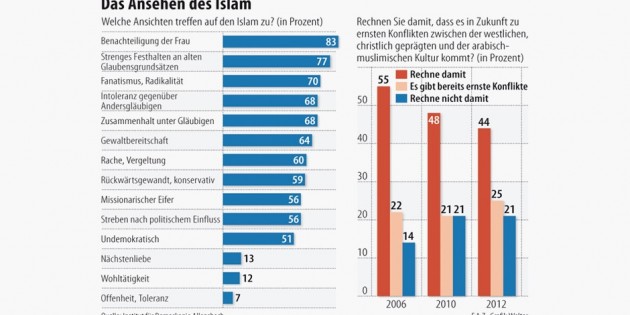
Germans are overwhelmingly mistrustful of Islam and Muslim immigration, according to a new research survey, which concludes that the image of Islam in Germany is “devastating.”

The Dutch parliament has approved a motion to revoke a law that makes insulting God a crime. Free speech activists say the move represents a significant victory at a time when Muslim groups are stepping up pressure on European governments to criminalize the criticism of Islam and/or Mohammed.

Hamburg, the second-largest city in Germany, has concluded an “historic treaty” with its Muslim communities that grants Muslims broad new rights and privileges but does little to encourage their integration into German society.

An Islamist radical convicted of stabbing two German police officers during a protest against “offensive” cartoons has been sentenced to six years in prison.

A German court has refused to allow a Muslim student to skip co-ed swimming lessons based on her religious beliefs.
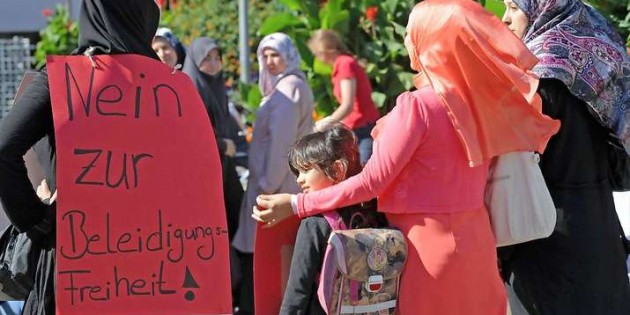
Muslim protests over an American-made anti-Islamic YouTube film, Innocence of Muslims, have spread to more European cities.
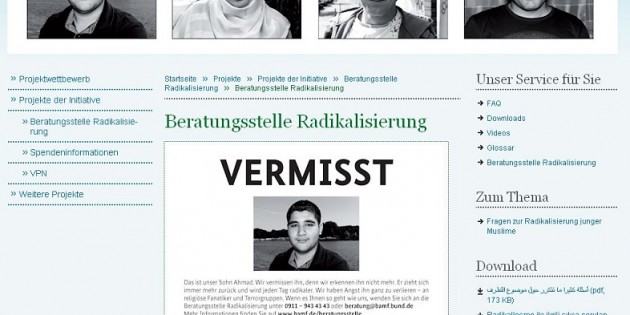
The German government has launched a nationwide poster campaign aimed at fighting against the radicalization of young Muslim immigrants.
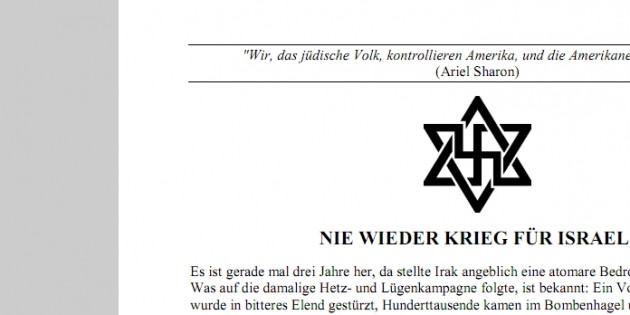
A prominent Roman Catholic NGO in Germany has called for a wide-ranging boycott of Israeli products.
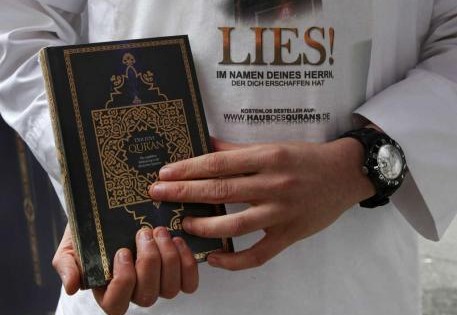
Islamic radicals in Germany have launched an unprecedented nationwide campaign to distribute 25 million copies of the Koran, translated into the German language, with the goal of placing one Koran into every household in Germany, free of charge.

Irish actor Liam Neeson says he is thinking about becoming a Muslim after undergoing a spiritual awakening in Turkey.
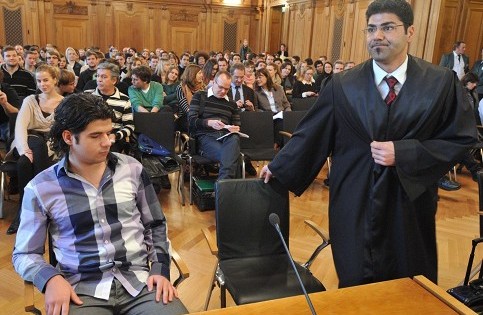
Germany’s top administrative court has ruled that a Muslim student is not entitled to perform prayers at his school because the act has the potential to create “very severe conflicts.”